Surreal, Digital
Artist.
About Me
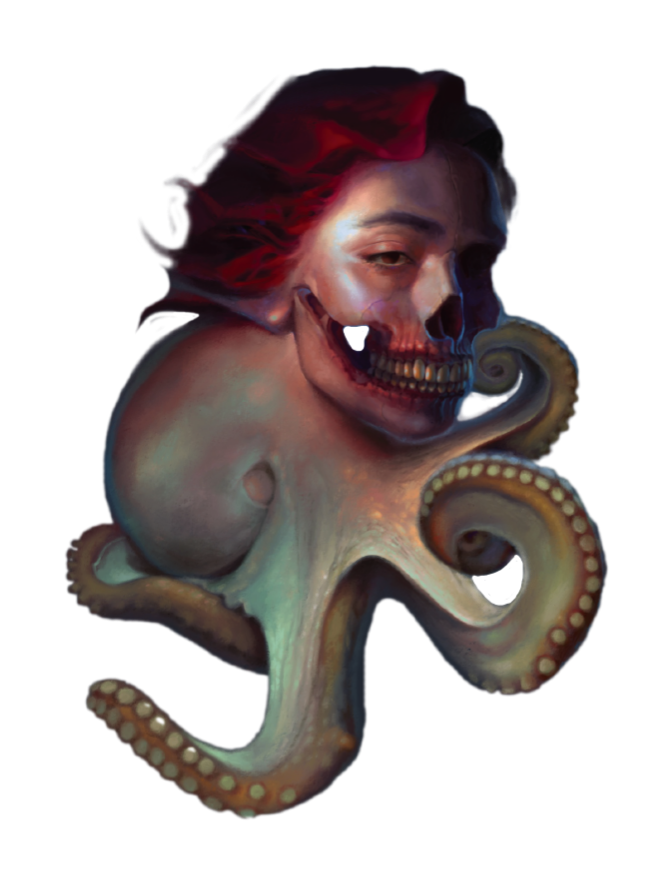
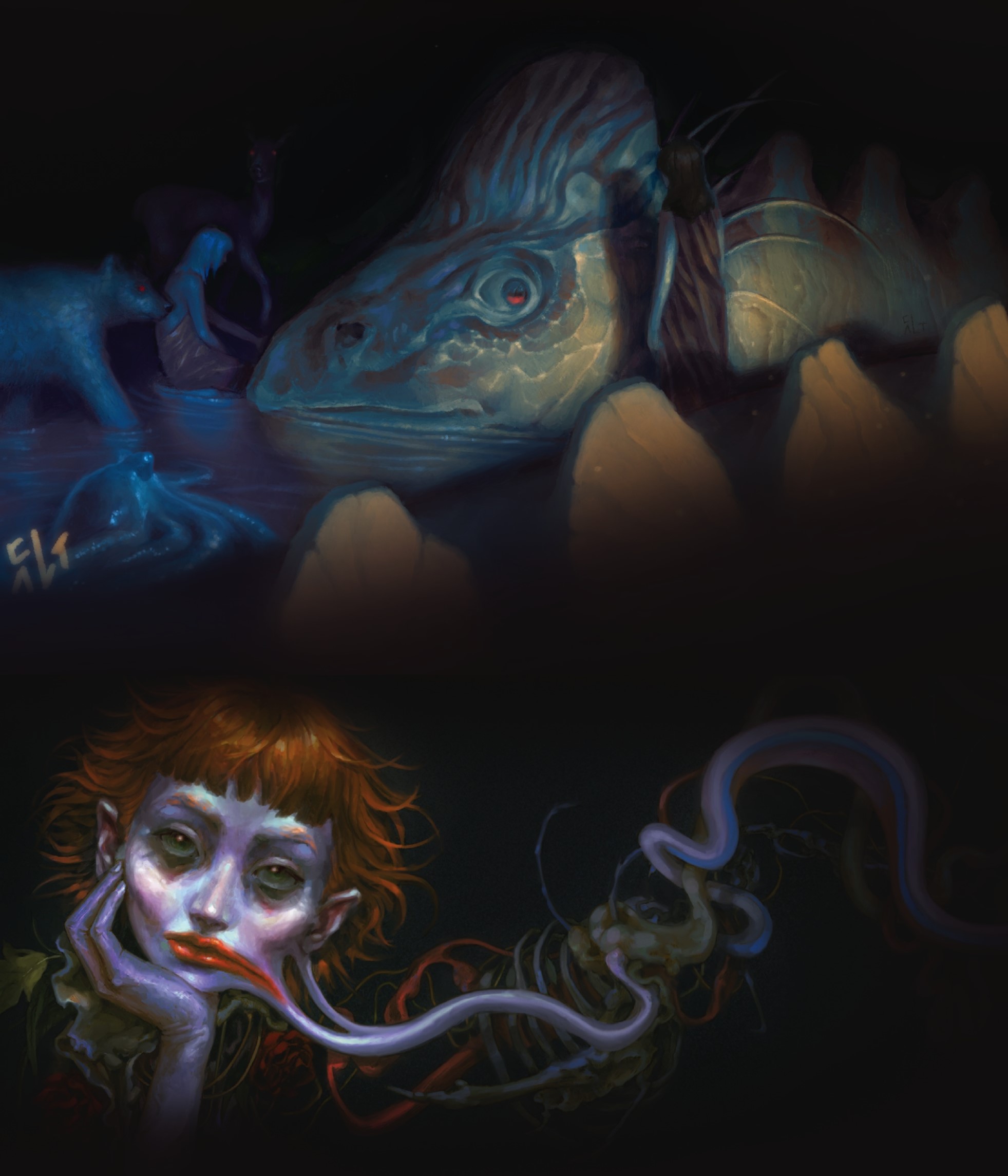
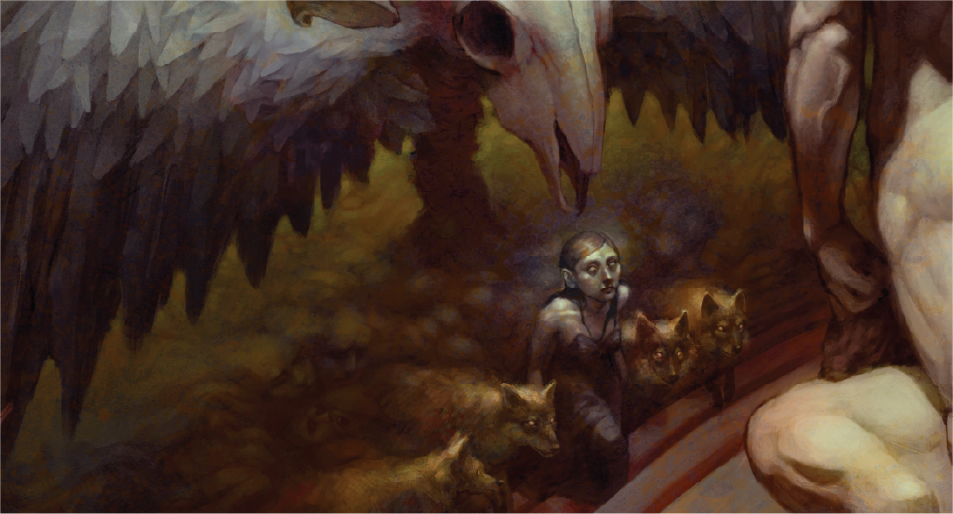
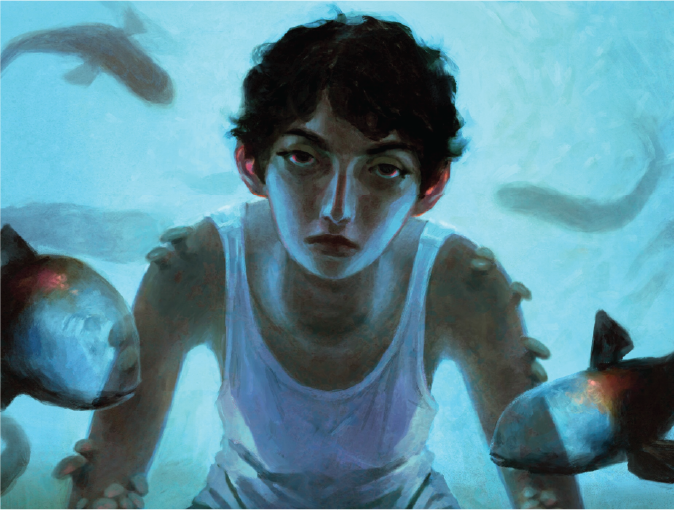
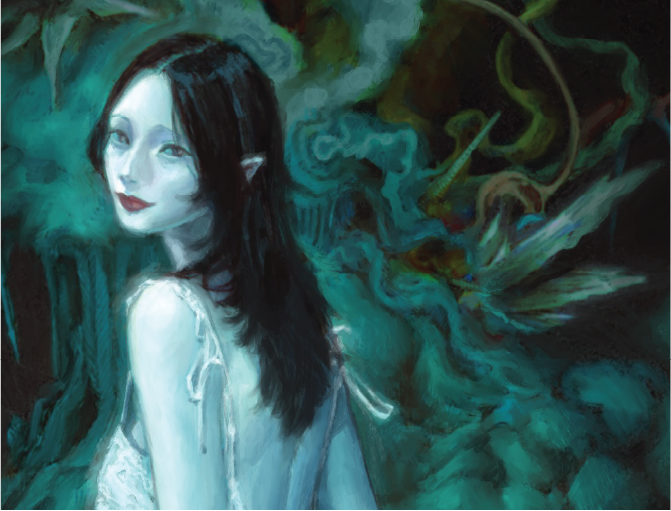
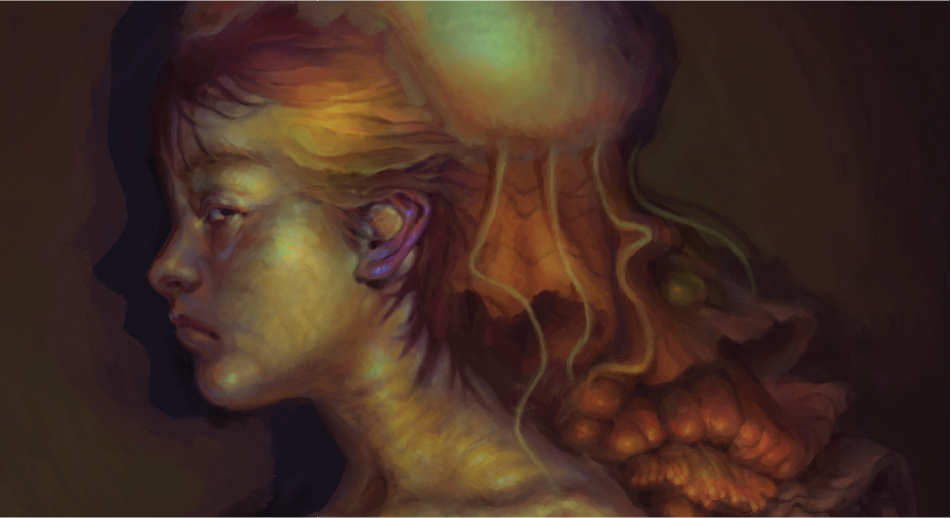
I'm Leen Alt, a 20-year-old Saudi artist. My personal art explores themes of self-expression through surrealism.
I take inspiration from horror surrealism
and biology to create fantastical imagery seemingly out of a fever dream. I find beauty in painting the 'grotesque'.
My art is my mind's interpretation of how it views reality, thereby my art is an extension of me.
Works
Services
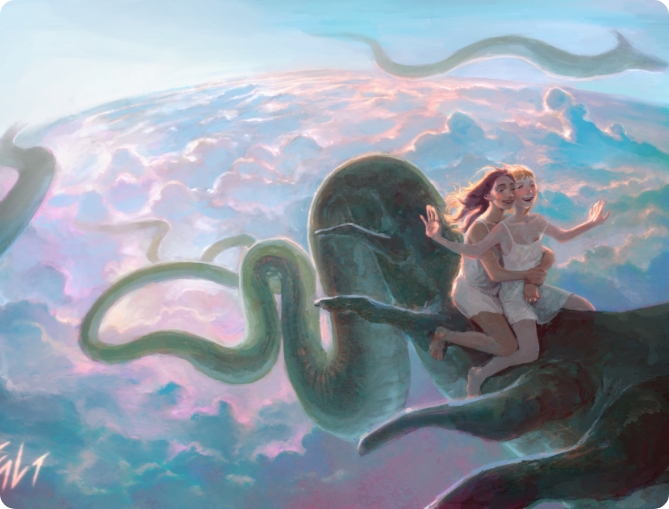
Full Painting with Background Comission
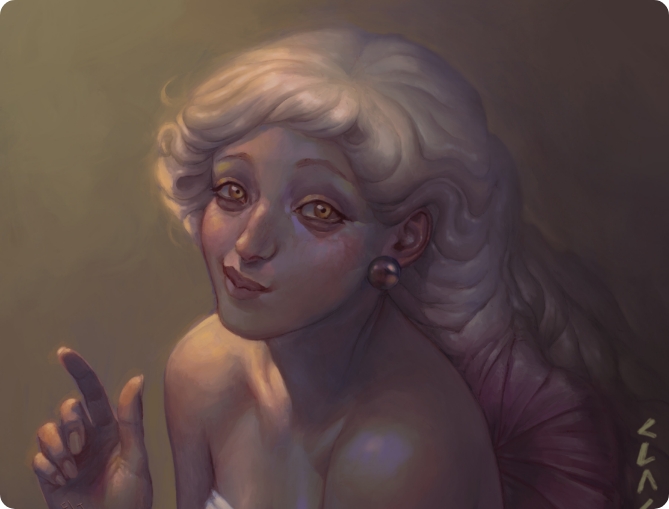
Portrait Comission
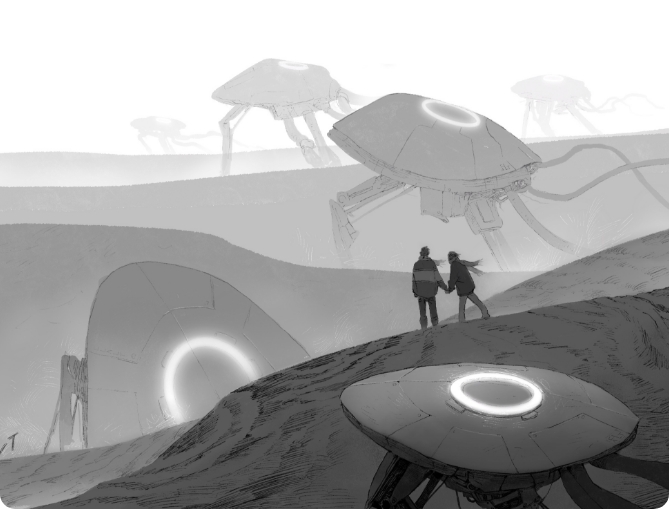
Concept Art Comission
Blog
I love being a human, and the unique part of being human is our ability to create things not out of survival, not just out of boredom, but our innate appreciation towards art. The first piece of artwork in human history is said to be a handprints inside a cave. A primitive human decided to put red pigment on their hands, imprint it on the wall, and thought it looked cool. Starting from there, we later developed the ability to visualize images in our minds (the mind’s eye) that are illustrated by our hands through tools. Our hands evolved to recreate what our minds perceive through sight. From imprinting our hands on walls, to sharing our artworks on the internet, we want our existence to be known, we wish to be seen…any part of us in the artwork will be there so long as our direct input was made.
With technology, and the drastic increase of shortcuts and tools to make everything more convenient, our individual input becomes more and more watered down. Thus we result with little to no individuality or human skill application in the artworks. Art becomes mass produced solely with the intention of profiting off it and cheap labor. In reality, we are easily replaceable to companies. If they find a way to easily obtain more profit, they will use it with no hesitation. This is nothing new, we’ve seen it with the industrial revolution, and we’re seeing it today as technology constantly progresses. Except now it’s happening with art, a skill that takes years to develop and was historically deemed to be luxurious, is now massively produced by anyone that is capable of writing a prompt to a computer that will generate the image.
Yes, the cycle of hatred and anger towards new technological innovation is perpetuated, but where will the line be drawn? Artists are justified in their anger and fear of being replaced. Years of harnessing their skills just to be replaced with an algorithm that is trained by a database of artists’ stolen work. I do not care to control what constitutes ‘real’ art or not, however, there is objectively a varying degree in how much direct input you have in the art you produce.
I’ve seen digital art being brought up in defense of AI generative art; “it’s intangible and will always exist solely in the computer”, and “the digital brushes in the software are programmed to look a certain way that affects the outcome”. As both a traditional and digital artist myself, I can guarantee digital art requires the same amount of skills as traditional art. You have a stylus and a tablet, which is the digital equivalent of a pen and paper. If you do not have the skills of drawing traditionally, you won’t have skills in drawing digitally either. Although the brushes in digital art softwares are different from traditional ones, it mimics how traditional art tools look like, except it is made out of pixels. In my process of painting digitally, it is almost exactly the same as how I would paint traditionally, which is why oftentimes my digital artworks are mistaken as traditional paintings.This isn’t the case for AI art; its main function is to make art accessible to those who do not have the skills to make art. All you need to know is how to write a prompt for the computer to generate an image based off of. If all you’re doing is writing a prompt, you simply have no creative input in the output the computer produced.
An important thing to mention is that I’m specifically tackling open source generative AI that trains on public data, including non consensual uses of other people’s artworks. The algorithm that quite literally copies pixels from a combination of existing artwork to generate a flashy output. Again, I’ve heard comparisons being made about this process being similar to an artist taking ‘inspiration’ from another artist, and that a computer doing it is no different. The keyword here is inspiration; the artist learns how to see and how to lay it down, the computer simply copies pixel by pixel without consideration of artistic elements such as composition, lighting, anatomy..etc. The artist has personal taste and creative direction, the computer alone does not. That being said, there are artists who create their own AI models and train them based on their own art. In this case, they are using AI as a tool to generate art from their art. I believe that AI can be beneficial, in the case that it is regulated properly and artists’ copyrights are protected.
It is because art is so indistinct from myself that I regard this topic very personally. Throughout my whole life, I considered art as a form of a hobby rather than work to make a living off of, however, this was prior to me entering the creative field in university and understanding the importance of art and design in the corporate world. The core understanding of psychology behind design, something almost unquantifiable, is far beyond what a computer can understand. Well, at least as of now. Whether art being massively produced diminishes its value or not is up to you to decide, but I believe that human’s innate appreciation towards artisanship will prevail.
With technology, and the drastic increase of shortcuts and tools to make everything more convenient, our individual input becomes more and more watered down. Thus we result with little to no individuality or human skill application in the artworks. Art becomes mass produced solely with the intention of profiting off it and cheap labor. In reality, we are easily replaceable to companies. If they find a way to easily obtain more profit, they will use it with no hesitation. This is nothing new, we’ve seen it with the industrial revolution, and we’re seeing it today as technology constantly progresses. Except now it’s happening with art, a skill that takes years to develop and was historically deemed to be luxurious, is now massively produced by anyone that is capable of writing a prompt to a computer that will generate the image.
Yes, the cycle of hatred and anger towards new technological innovation is perpetuated, but where will the line be drawn? Artists are justified in their anger and fear of being replaced. Years of harnessing their skills just to be replaced with an algorithm that is trained by a database of artists’ stolen work. I do not care to control what constitutes ‘real’ art or not, however, there is objectively a varying degree in how much direct input you have in the art you produce.
I’ve seen digital art being brought up in defense of AI generative art; “it’s intangible and will always exist solely in the computer”, and “the digital brushes in the software are programmed to look a certain way that affects the outcome”. As both a traditional and digital artist myself, I can guarantee digital art requires the same amount of skills as traditional art. You have a stylus and a tablet, which is the digital equivalent of a pen and paper. If you do not have the skills of drawing traditionally, you won’t have skills in drawing digitally either. Although the brushes in digital art softwares are different from traditional ones, it mimics how traditional art tools look like, except it is made out of pixels. In my process of painting digitally, it is almost exactly the same as how I would paint traditionally, which is why oftentimes my digital artworks are mistaken as traditional paintings.This isn’t the case for AI art; its main function is to make art accessible to those who do not have the skills to make art. All you need to know is how to write a prompt for the computer to generate an image based off of. If all you’re doing is writing a prompt, you simply have no creative input in the output the computer produced.
An important thing to mention is that I’m specifically tackling open source generative AI that trains on public data, including non consensual uses of other people’s artworks. The algorithm that quite literally copies pixels from a combination of existing artwork to generate a flashy output. Again, I’ve heard comparisons being made about this process being similar to an artist taking ‘inspiration’ from another artist, and that a computer doing it is no different. The keyword here is inspiration; the artist learns how to see and how to lay it down, the computer simply copies pixel by pixel without consideration of artistic elements such as composition, lighting, anatomy..etc. The artist has personal taste and creative direction, the computer alone does not. That being said, there are artists who create their own AI models and train them based on their own art. In this case, they are using AI as a tool to generate art from their art. I believe that AI can be beneficial, in the case that it is regulated properly and artists’ copyrights are protected.
It is because art is so indistinct from myself that I regard this topic very personally. Throughout my whole life, I considered art as a form of a hobby rather than work to make a living off of, however, this was prior to me entering the creative field in university and understanding the importance of art and design in the corporate world. The core understanding of psychology behind design, something almost unquantifiable, is far beyond what a computer can understand. Well, at least as of now. Whether art being massively produced diminishes its value or not is up to you to decide, but I believe that human’s innate appreciation towards artisanship will prevail.
Looking back at my childhood, I can’t recall a single day where I wasn’t drawing or making art. I was what would be described as the ‘talented art kid’– the kid who everyone would turn their heads to when the teacher mentions drawing during class in primary school. Believe me, I tried to be humble, but the praise satisfied my ego. Being self-taught, sheltered, and young, I believed what I've been told– “You’re so talented for your age!” After all, my mom said it, so it must have been true, right?
It wasn’t until I participated in an art gallery for the first time that my reality was shattered; I was faced with criticism for the first time. I was 11, and my painting had been accepted to be presented in a gallery held by another artist. I had to physically hand in the painting to the gallery prior to the day of the opening, and when I did, I was lucky enough to be welcomed by the owner himself. Since he had free time to spare, he decided to give my painting some feedback and ask me some questions. He questioned my knowledge in art theory and why I’ve made the decisions I’ve made in my painting.
“What are the names of the colors you used?”
“Where’s the source of light coming from?”
“What’s with this brown streak on the subject’s neck?”
“Were you bored painting this part? It looks rushed.”
I was fuming. How dare he question the knowledge I lack?
After the feedback session ended, I walked out the door telling my mom, who had accompanied me the whole time, “I really dislike that guy.” My mom replied, “Is it because he criticized your painting?” Her question is probably what triggered the first critical thought in my head. My initial disdain for him was because he did not reinforce the opinion I had of myself. Instead, he questioned me and offered me advice to improve. How Blasphemous!
Luckily I turned that interaction into a learning experience, and it became a crucial turning-point into how I perceive my art and receive criticism. I believe it's necessary to have such a humbling experience to not let your ego engulf you.
My relationship with art since then has been a rollercoaster; after my ego deflated, I’ve started to become a perfectionist and unhappy with anything I produce which developed into imposter-syndrome. Especially after being exposed to plenty of skilled artists on social media, I began to doubt my skills. I made art I thought other people would like instead of art I was proud of. I lost the enjoyment out of creating art; art that was once a fun hobby became a means of seeking validation. The peak of this was when I felt the need to make art solely to post it on social media.
I hated it, I wanted to regain control over my art. After becoming aware of the pit I fell in, I tried to pick myself back up by restraining myself from posting art on social media, to find the things I enjoy drawing again, and to ask myself vital questions: What do I draw for? What are my interests? Who am I without art?
I came to the realization that my self-esteem was tied with my artistic abilities. It was all I was known for. Who was I, if not for that kid that draws all the time? If I wasn’t producing any art, I felt devoid of myself– as if I were an empty shell. But in fact, I had lots of interests outside of art. I loved biology, music, cycling, and learning about things in general. I just needed to realize that I am more than the art I produce. These interests eventually became a part of the art I make at the present moment. (specifically the biology part, I became a tad obsessed with flesh, fungus, and the likes of it.)
And here I am now, at a balance between confidence in my abilities, striving for improvement, and open to criticism. Making art is cool, I love making art!
It wasn’t until I participated in an art gallery for the first time that my reality was shattered; I was faced with criticism for the first time. I was 11, and my painting had been accepted to be presented in a gallery held by another artist. I had to physically hand in the painting to the gallery prior to the day of the opening, and when I did, I was lucky enough to be welcomed by the owner himself. Since he had free time to spare, he decided to give my painting some feedback and ask me some questions. He questioned my knowledge in art theory and why I’ve made the decisions I’ve made in my painting.
“What are the names of the colors you used?”
“Where’s the source of light coming from?”
“What’s with this brown streak on the subject’s neck?”
“Were you bored painting this part? It looks rushed.”
I was fuming. How dare he question the knowledge I lack?
After the feedback session ended, I walked out the door telling my mom, who had accompanied me the whole time, “I really dislike that guy.” My mom replied, “Is it because he criticized your painting?” Her question is probably what triggered the first critical thought in my head. My initial disdain for him was because he did not reinforce the opinion I had of myself. Instead, he questioned me and offered me advice to improve. How Blasphemous!
Luckily I turned that interaction into a learning experience, and it became a crucial turning-point into how I perceive my art and receive criticism. I believe it's necessary to have such a humbling experience to not let your ego engulf you.
My relationship with art since then has been a rollercoaster; after my ego deflated, I’ve started to become a perfectionist and unhappy with anything I produce which developed into imposter-syndrome. Especially after being exposed to plenty of skilled artists on social media, I began to doubt my skills. I made art I thought other people would like instead of art I was proud of. I lost the enjoyment out of creating art; art that was once a fun hobby became a means of seeking validation. The peak of this was when I felt the need to make art solely to post it on social media.
I hated it, I wanted to regain control over my art. After becoming aware of the pit I fell in, I tried to pick myself back up by restraining myself from posting art on social media, to find the things I enjoy drawing again, and to ask myself vital questions: What do I draw for? What are my interests? Who am I without art?
I came to the realization that my self-esteem was tied with my artistic abilities. It was all I was known for. Who was I, if not for that kid that draws all the time? If I wasn’t producing any art, I felt devoid of myself– as if I were an empty shell. But in fact, I had lots of interests outside of art. I loved biology, music, cycling, and learning about things in general. I just needed to realize that I am more than the art I produce. These interests eventually became a part of the art I make at the present moment. (specifically the biology part, I became a tad obsessed with flesh, fungus, and the likes of it.)
And here I am now, at a balance between confidence in my abilities, striving for improvement, and open to criticism. Making art is cool, I love making art!
I have had this at the back of my mind for a while now; what is my art trying to convey to the viewer? And to what extent does the artists’ own interpretation of their art matter?
For the longest time, I’ve only been concerned with improving my technical skills in art. The subject of the art was just secondary, but it always subconsciously reflected my interests at the time. Then, somewhere along the line, my art shifted from being purely for the sake of improvement and aesthetics, to being driven with emotion– self-reflective. I still care for the style, themes, and colors that I choose in my paintings, however, I developed this taste for a reason– it has meaning.
I had a surface-level understanding of art literacy– in fact, I thought to engage in it would be pretentious. I didn’t like to force out a deeper meaning from my paintings when there wasn’t any; I just liked doing it. Thus my go-to-answer when asked ‘What is the meaning behind this?’ was the simple: ‘It’s up to your interpretation.’
I learned that this was not pleasing enough to the viewer. No matter how strongly the viewer relates to the painting based on their own interpretation of the painting, the vast room of uncertainty renders them dissatisfied. The viewers are interested in the artist hiding behind the art; they wish to know what was inside the artist’s minds when they made this; what were they feeling? What’s their story?
The confirmation of the artist’s perspective– arguably the ‘real’ interpretation– gives them the satisfactory ending to their curiosity.
Thus giving them the plain– albeit true– statement ‘I just felt like it’ is an anti-climatic, boring ending. And understandably so. If I were to look at a painting I deeply resonated with only to find that the artist does not share the same sentiment, I, too, would be disappointed. We all desperately search for a deeper connection, and when you have been given a slither of a chance that there is something there, you become momentarily optimistic…only to be met with disappointment when there is nothing.
So now I’m left with two options: tell the mundane truth, or give a pseudo-intellectual answer to satisfy the viewer. Unless there's a third option: dig deeper within myself; why do I paint the things I do?
I was never the type that is good at articulation, hence the reason I cling on to art. I thought that art alone would be enough as a means of expression– to describe it verbally would defeat the purpose of it. But now, although I may not be able to fully conceptualize it, I believe the art I make is the expression of myself that has an underlying meaning. And my aversion towards giving a description for my art was not just because I thought it was pretentious, but because I was avoiding facing the feelings I had expressed in my art. To articulate it was to legitimize them; instead of it being mere abstract interpretations left up to the viewer, they become real raw feelings of mine presented to the public. And it all boils down to this: my fear of opening up.
Currently, as I’m writing this, I’m still left with things to ponder about, to resolve, and to discover. This is exactly what my art journey is about; it’s never just about the technical skills– it’s the growth my art and I are undergoing. I do wish to face my fear of vulnerability and connect with people through my art, but that’s an on-going process I have to battle with myself.
For the longest time, I’ve only been concerned with improving my technical skills in art. The subject of the art was just secondary, but it always subconsciously reflected my interests at the time. Then, somewhere along the line, my art shifted from being purely for the sake of improvement and aesthetics, to being driven with emotion– self-reflective. I still care for the style, themes, and colors that I choose in my paintings, however, I developed this taste for a reason– it has meaning.
I had a surface-level understanding of art literacy– in fact, I thought to engage in it would be pretentious. I didn’t like to force out a deeper meaning from my paintings when there wasn’t any; I just liked doing it. Thus my go-to-answer when asked ‘What is the meaning behind this?’ was the simple: ‘It’s up to your interpretation.’
I learned that this was not pleasing enough to the viewer. No matter how strongly the viewer relates to the painting based on their own interpretation of the painting, the vast room of uncertainty renders them dissatisfied. The viewers are interested in the artist hiding behind the art; they wish to know what was inside the artist’s minds when they made this; what were they feeling? What’s their story?
The confirmation of the artist’s perspective– arguably the ‘real’ interpretation– gives them the satisfactory ending to their curiosity.
Thus giving them the plain– albeit true– statement ‘I just felt like it’ is an anti-climatic, boring ending. And understandably so. If I were to look at a painting I deeply resonated with only to find that the artist does not share the same sentiment, I, too, would be disappointed. We all desperately search for a deeper connection, and when you have been given a slither of a chance that there is something there, you become momentarily optimistic…only to be met with disappointment when there is nothing.
So now I’m left with two options: tell the mundane truth, or give a pseudo-intellectual answer to satisfy the viewer. Unless there's a third option: dig deeper within myself; why do I paint the things I do?
I was never the type that is good at articulation, hence the reason I cling on to art. I thought that art alone would be enough as a means of expression– to describe it verbally would defeat the purpose of it. But now, although I may not be able to fully conceptualize it, I believe the art I make is the expression of myself that has an underlying meaning. And my aversion towards giving a description for my art was not just because I thought it was pretentious, but because I was avoiding facing the feelings I had expressed in my art. To articulate it was to legitimize them; instead of it being mere abstract interpretations left up to the viewer, they become real raw feelings of mine presented to the public. And it all boils down to this: my fear of opening up.
Currently, as I’m writing this, I’m still left with things to ponder about, to resolve, and to discover. This is exactly what my art journey is about; it’s never just about the technical skills– it’s the growth my art and I are undergoing. I do wish to face my fear of vulnerability and connect with people through my art, but that’s an on-going process I have to battle with myself.


